


The Chines New Year celebration, often referred to as Lunar New Year or Spring Festival, is celebrated annually by Chinese communities globally. While new year in the Gregorian solar calendar is set on the 1st of January yearly, the Chinese new year is based on the first new moon of the lunar calendar, making the date vary yearly.
The Chines New Year celebration lasts for 15 days, ending with the Lantern Festival on the 15th day. Lanters are lit and released into the sky or river to symbolise the release of the old year while welcoming a new one. Many Chinese businesses tend to be closed for the first week, with some taking all 15 days off.
Each Chinese Lunar Year is associated with a zodiac animal (think of astrology zodiac signs Leo, Virgo, Libra, etc. except its based yearly). There are 12 zodiac animals in total, cycled through every 12 years: rat, ox, tiger, rabbit, dragon, snake, horse, goat, monkey, rooster, dog, and pig. 2025 marks the year of the snake!
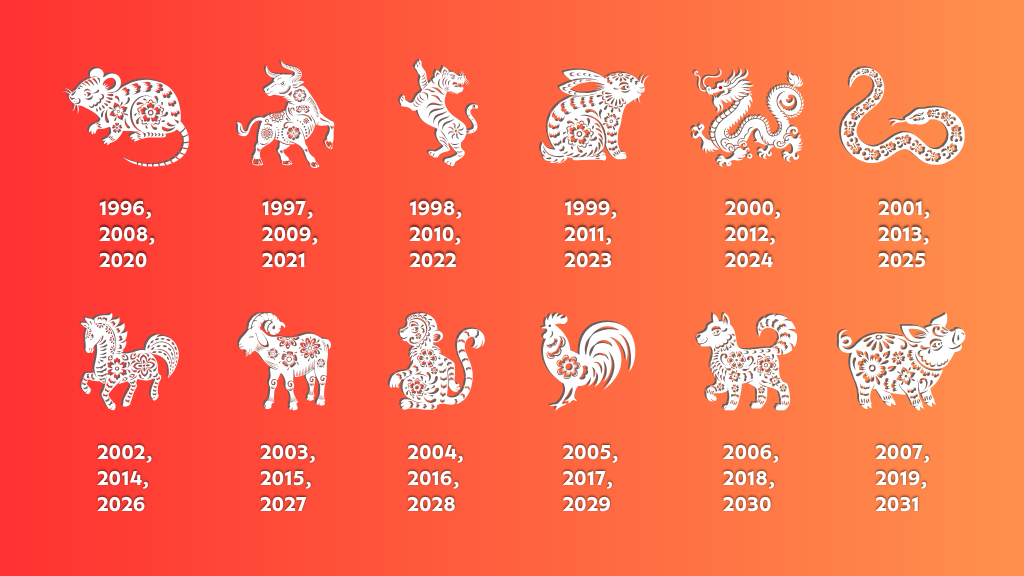
It is believed that each animal has its own characteristics and significance which shapes the fate of those born under it (birth year against current year animal zodiac). Many consider these zodiac readings when considering anything important for the year, whether its love life, career, or business related.
It is customary to have family reunion dinners on New Year’s Eve, indulging in wholesome large meals with a variety of foods and delicacies. Some dishes are customary and have symbolism to them to represent prosperity, health, or wealth for example.
Other Chinese New Year traditions include decorating households and businesses with red-coloured items such as lanterns, paper crafts, couplet decorations, and red clothes arching main door entrances; gifting of red envelopes containing money called “Hongbao” by the elderly to the young as well as unmarried adults; lighting of firecrackers to scare away evil spirits; and lion dances performed alongside beats of the cymbals, drums and gongs to chase away evil spirts and welcome in good fortune.
Some other beliefs include deep cleaning of the house and throwing away old, unused items in the days leading up to chines new year, wearing new clothing, getting blessings from the elderly regardless of age by bowing at their feet on new years’ morning, and not sweeping or throwing away rubbish on the first few days (to avoid accidentally “tossing out” good luck and fortune).
If you are interested in opportunities with us, contact us at: contact@melchers.de
 German
  English